
Squeezy
Living With LtdMedical
4.835.00 Reviews
- Version
- Varies With Device
- Installs
- 100.00K
- Age Rating
- Everyone
Screenshots
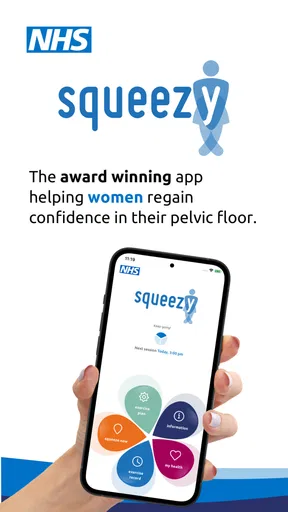
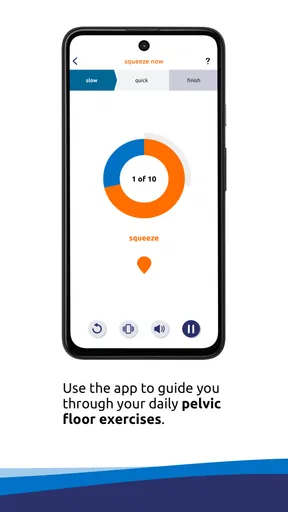
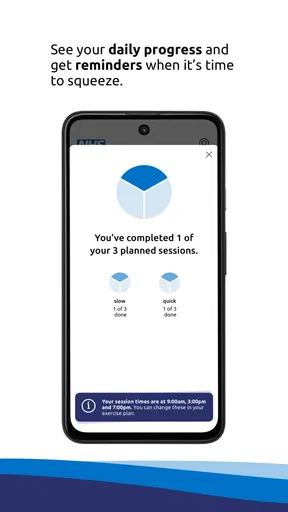
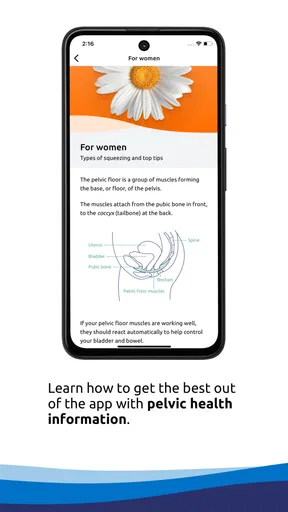
Our Review of Squeezy
 Analysis by Appyee
I find Squeezy most convincing as a quiet, practical guide for building a pelvic floor exercise habit. Its focus is deliberately narrow: rather than trying to be a broad wellness platform, it keeps attention on a routine that can be easy to forget or feel unsure about. That focus is its main strength, but it also shapes who will get the most from it. I’d consider it a helpful companion for someone who already knows these exercises are appropriate for them and wants structure, not a replacement for individual medical advice.
A focused tool, not a general health coach
Squeezy is a medical app from Living With Ltd, centered on pelvic floor muscle exercises. That makes it a different proposition from a general fitness tracker or a library of workout videos: the purpose is to support a small, repeatable exercise routine, rather than to manage every part of your health. Its 4.8 average from around 5,300 ratings suggests that many users value that focused approach, while its 100,000-plus installs show it has reached a substantial audience.
The app costs $4.99, is rated for everyone, and has been available since November 24, 2014. Those details help set expectations: this is a paid, long-running health tool, not a free general-purpose exercise app. I’d weigh the price against whether you are likely to use a guided routine regularly. If you only want occasional background reading or already follow a plan comfortably, paying for a dedicated tracker may be less worthwhile.
One practical point matters more than the feature list: pelvic floor exercises depend on doing the right movement, not simply remembering to do something. A reminder can support consistency, but it cannot tell you whether your technique suits your body or whether the exercises are right for your symptoms. I’d treat the app as a routine aid and ask a clinician or pelvic health physiotherapist for guidance if you are uncertain, in pain, recovering from a procedure, or noticing symptoms that need assessment.
Where the routine can fit into a real day
The most useful way to approach this kind of app is to attach sessions to moments that already happen. For example, I might choose a quiet point after brushing my teeth or during a predictable break, rather than waiting for a spare stretch of time that never arrives. The calendar and reminders can help make that cue visible. A discreet, repeatable moment is often more realistic than trying to squeeze in a session whenever the day happens to slow down.
That small planning choice also avoids a common trap: treating reminders as commands that must be obeyed immediately. If a notification arrives while you are driving, caring for someone, or in a meeting, it is better to move the session to a suitable time than to rush through it distracted. The app can help keep the habit on your radar; your own judgment still decides when a session is practical.
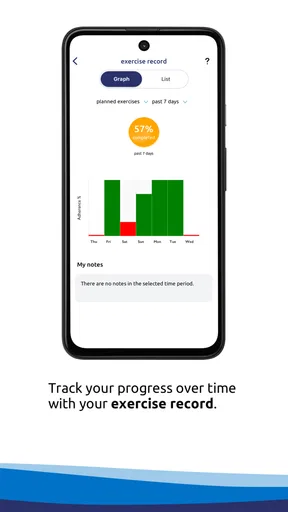
Progress notes can be useful for more than motivation. I’d use them to record context that might help me discuss the routine with a clinician, such as whether I am following it consistently or have questions about how it feels. That is a more grounded use of tracking than expecting a chart to prove that a health problem is improving. Notes are a personal record, not a diagnosis or a substitute for professional follow-up.
What it does better than broad alternatives
Compared with a generic reminder app, a specialist exercise tool has a clearer purpose: it keeps the routine and its progress together rather than asking you to invent a system from scratch. A calendar alone can tell you when to act, but it is not designed around the exercise habit itself. On the other hand, if you already have a plan from a clinician and only need a simple prompt, your phone’s existing calendar may be enough and avoids adding another paid app.
It is also distinct from general workout apps, which usually prioritize visible movements, sessions, and wider fitness goals. Pelvic floor work is less suited to that format; it can be easy to overlook precisely because it does not resemble a conventional workout. A focused app can make the habit feel more deliberate without asking you to build a larger exercise routine around it. The trade-off is that it will not serve as a complete fitness or medical-management hub.
For someone who has been given a suitable exercise plan but keeps losing track of it, I see the strongest case. For someone who is searching for a diagnosis, a personalized treatment decision, or reassurance about new symptoms, an app is the wrong first stop. A clinician can assess the situation and help decide whether this type of exercise is appropriate; reminders and tracking cannot make that call.
What is Squeezy All About?
Let’s dive right into what Squeezy offers. At its core, it’s a pelvic floor exercise app. But wait, before you roll your eyes and think it’s just another health app, hear me out. Squeezy is designed by healthcare professionals and is a go-to for anyone who wants to maintain or improve pelvic floor health. Whether you’re postpartum, dealing with incontinence, or just want to stay fit, it’s got you covered.
Features That Stand Out
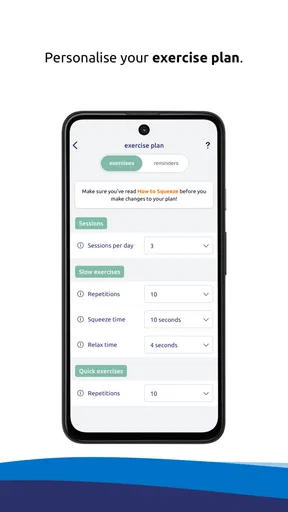
First things first, the app is super user-friendly. You don’t need a degree in tech to figure it out. Once you open it up, you’re greeted with a clean, intuitive interface. You can set your own goals, and the app even reminds you when it’s time to get those exercises done. It’s almost like having a personal trainer in your pocket, minus the hefty fees.
One of the coolest features is the customizable exercise plans. You can start slow and build up the intensity as you go. If you’re anything like me, you’ll appreciate the gentle nudges to keep you on track, especially on days when motivation is hiding under a rock.
Staying Motivated
Let’s be real, sticking to a new routine can be tough. That’s why Squeezy’s progress tracker is a game-changer. It’s satisfying to see your stats improve over time, and it turns exercising into a bit of a game. Plus, you can keep notes on your progress, which is handy for seeing how far you’ve come.
Another neat feature is the ability to sync with your calendar. This way, you’re less likely to forget about your sessions. I mean, who doesn’t love a little nudge from their phone reminding them to take care of themselves?
Who Can Benefit?
Honestly, everyone can benefit from using Squeezy. It’s not just for those who have had kids or are experiencing issues. It’s like an all-in-one solution for maintaining a strong pelvic floor, which is crucial for core strength and overall health.
The app is particularly beneficial for new moms, people recovering from surgery, or anyone looking to enhance their physical wellness. It’s like hitting the gym, but for muscles that are often overlooked.
Final Thoughts
In a world where we’re constantly bombarded with apps promising the moon, Squeezy stands out by keeping things simple and effective. It doesn’t try to be everything for everyone, but it does its job exceptionally well. If you’re looking to improve your health discreetly and effectively, this app is a solid choice.
So, if you’re ready to take control of your pelvic health and want a no-nonsense app to guide you, give Squeezy a shot. It might just become your favorite pocket companion.
A sensible fit, with limits worth keeping in mind
I’d recommend it most to people who want a nudge toward consistency and prefer having their exercise routine in one dedicated place. That could include someone rebuilding a habit after pregnancy or someone who has been advised to practise pelvic floor exercises and wants a convenient way to stay organized. It may also suit a person who feels self-conscious about asking for reminders: using a private routine on a phone can make the habit feel less conspicuous than discussing it every day.
Still, I would not describe a reminder-based app as a personal trainer in the full sense. It cannot watch your form, notice that you are straining, or tailor clinical advice to your circumstances. If the routine feels uncomfortable, if symptoms change, or if you are unsure whether you are contracting and relaxing the right muscles, pause rather than pushing through because a notification appeared. In those situations, one-to-one guidance is more useful than adding more app sessions.
There is also a real difference between motivation and pressure. A tracker can make a steady routine satisfying, but missed sessions should not become a source of guilt. I’d use the calendar as a flexible prompt, not a streak to defend. A plan that fits around work, caregiving, travel, and rest is more sustainable than one that makes every interruption feel like failure.
My overall view is that this is a practical, specialized choice when the goal is to remember and organize pelvic floor exercises. It has a clearer purpose than a generic alarm and a narrower scope than a full health platform. If that is exactly the gap you want to fill, the focused approach is appealing. If you need assessment, treatment decisions, or direct feedback on technique, I’d choose professional care first and use an app only as a supporting tool.
Verdict
Strengths of Squeezy
- User-friendly interface, easy navigation.
- Wide variety of exercises available.
- Customizable workout plans.
- Sync with fitness trackers seamlessly.
- Regular updates with new content.
Limitations of Squeezy
- Limited free version features.
- Occasional in-app purchase prompts.
- Requires internet for full functionality.
- Some exercises lack detailed instructions.
- No offline workout option.
Other Releases by Living With Ltd
View All
Squeezy Men
Medical4.6
Similar Picks in This Category
View All
WebMD: Symptom Checker
WebMD, LLC4.1

Microphone Amplifier
DOSA Apps4.2

Anatomy Learning - 3D Anatomy
3D Medical OU4.5

Period Tracker and Calendar
SimpleInnovation4.9

GoodRx: Prescription Coupons
GoodRx4.8

CVS Health
CVS Pharmacy4.5
Frequently Asked Questions
What is Squeezy and how does it work?
Squeezy is a pelvic floor muscle exercise app designed to help users strengthen their pelvic muscles through guided exercises. It offers customizable exercise plans, reminders, and progress tracking. Users can easily follow along with audio and visual cues, making it suitable for both beginners and those more experienced with pelvic floor exercises.
Is Squeezy suitable for both men and women?
Yes, Squeezy is designed for both men and women. The app provides tailored exercise programs to suit the specific needs of each gender, addressing issues such as incontinence or pelvic pain. It offers a gender selection option during setup to customize the exercises accordingly.
Can Squeezy be used without professional guidance?
While Squeezy can be used independently, it is recommended to consult a healthcare professional before starting, especially if you have any existing pelvic health issues. The app complements professional advice by providing structured exercise plans and reminders, but it should not replace medical guidance.
Does Squeezy offer any reminders or notifications to help users stay consistent?
Yes, Squeezy includes customizable reminders and notifications to help users maintain a consistent exercise routine. You can set daily or weekly reminders at times that suit you, ensuring you never miss a session. This feature supports long-term adherence to pelvic floor exercises.
What are the main benefits of using Squeezy regularly?
Regular use of Squeezy can lead to improved pelvic floor strength, which may help reduce symptoms of incontinence, improve bladder control, and enhance overall pelvic health. Consistent exercise can also support recovery post-childbirth or surgery, and promote better core stability and posture.
